
Smart Cities & IoT
Create intelligent cities with seamless mobility, energy-smart buildings, and connected infrastructure.
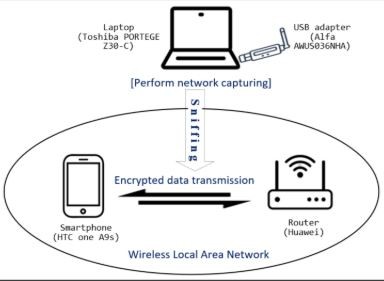
Comparative Analysis of Traffic Classification Algorithms in Deep Learning
Aging roads and poor road-maintenance systems resulted many potholes, whose numbers increase over time. Potholes jeopardize road safety and transportation efficiency. Moreover, they are often a contributing factor to car accidents. To address the problems associated with potholes, the locations and size of potholes must be determined quickly to find the location a data base as to be developed, which requires a specific pothole-detection system that can collect pothole information at low cost and over a wide area. However, pothole repair has long relied on manual detection efforts causing loss of time and money to government. Thus, in this paper, we introduced a pothole-detection system using a commercial “Road sepoy”. The proposed system detects potholes using vision-based tracking system and MATLAB algorithm specifically designed to work with road sepoy camera giving us accurately in real-time environment. Geo-mapping the pothole in google maps helps the exact location.
Comparative Analysis of Traffic Classification Algorithms in Deep Learning
Aging roads and poor road-maintenance systems resulted many potholes, whose numbers increase over time. Potholes jeopardize road safety and transportation efficiency. Moreover, they are often a contributing factor to car accidents. To address the problems associated with potholes, the locations and size of potholes must be determined quickly to find the location a data base as to be developed, which requires a specific pothole-detection system that can collect pothole information at low cost and over a wide area. However, pothole repair has long relied on manual detection efforts causing loss of time and money to government. Thus, in this paper, we introduced a pothole-detection system using a commercial “Road sepoy”. The proposed system detects potholes using vision-based tracking system and MATLAB algorithm specifically designed to work with road sepoy camera giving us accurately in real-time environment. Geo-mapping the pothole in google maps helps the exact location.
Sewer Guard - Protector for Manhole Scavengers
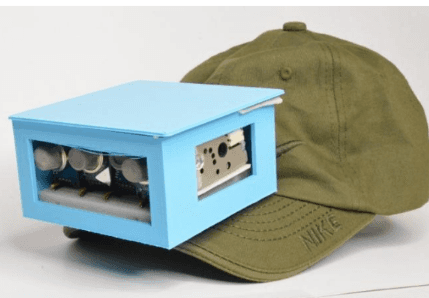
Sewage disposal cleanup is a hazardous job, exposing workers to harmful gases, infections, and health risks like musculoskeletal disorders and respiratory problems. SEWER GUARD is a project aimed at developing an information and communication ecosystem to monitor and alert workers about dangerous gas levels in sewers. It uses MQ series sensors to measure gas levels and sends alerts if they exceed safe thresholds. The system correlates gas intensity, depth, and exposure time, enabling workers to evacuate before conditions become life-threatening. An Android app and cloud storage are integrated for monitoring and data storage. Authorities can also be notified via SMS if sewage overflow is likely. SEWER GUARD aims to improve the safety and working conditions of sanitary workers engaged in sewer cleanup operations.
Sewer Guard - Protector for Manhole Scavengers
Sewage disposal cleanup is a hazardous job, exposing workers to harmful gases, infections, and health risks like musculoskeletal disorders and respiratory problems. SEWER GUARD is a project aimed at developing an information and communication ecosystem to monitor and alert workers about dangerous gas levels in sewers. It uses MQ series sensors to measure gas levels and sends alerts if they exceed safe thresholds. The system correlates gas intensity, depth, and exposure time, enabling workers to evacuate before conditions become life-threatening. An Android app and cloud storage are integrated for monitoring and data storage. Authorities can also be notified via SMS if sewage overflow is likely. SEWER GUARD aims to improve the safety and working conditions of sanitary workers engaged in sewer cleanup operations.
Novel Approach to Analyse Structures to Predict Earthquake Impact in Urban Areas
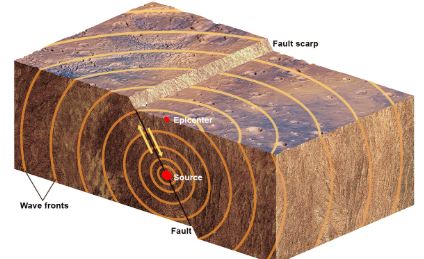
Recent decades have seen a rise in earthquake risks in urban areas due to urbanization, poor planning, infrastructure issues, and environmental degradation. Urban centers need robust preparedness and emergency plans, including quantifying earthquake effects, especially building losses, correlated with casualties and emergency response. My project aims to predict and assess earthquake impact in urban areas by analyzing building structures, using Google Maps images to calculate dimensions and safe areas. Our algorithm employs image processing and Machine Learning to predict seismic wave effects and determine optimal building distances, reducing risk. With high accuracy and scalability, this model could revolutionize infrastructure planning worldwide.
Novel Approach to Analyse Structures to Predict Earthquake Impact in Urban Areas
Recent decades have seen a rise in earthquake risks in urban areas due to urbanization, poor planning, infrastructure issues, and environmental degradation. Urban centers need robust preparedness and emergency plans, including quantifying earthquake effects, especially building losses, correlated with casualties and emergency response. My project aims to predict and assess earthquake impact in urban areas by analyzing building structures, using Google Maps images to calculate dimensions and safe areas. Our algorithm employs image processing and Machine Learning to predict seismic wave effects and determine optimal building distances, reducing risk. With high accuracy and scalability, this model could revolutionize infrastructure planning worldwide.
Experiment on a novel approach toward quantifying the toxicity level of the soil around the Yamuna River and checking the impact of polluted water on the soil
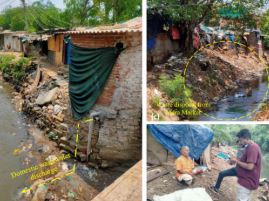
The abstract discusses an experiment aimed at quantifying the toxic effect of the polluted Yamuna River on the soil in the Mayur Vihar region of Delhi, India. Soil samples were collected at various distances from the river bank, and the decomposition of cotton pieces placed in these samples was observed over time. Image processing and a convolutional neural network model were applied to calculate the level of decomposition and fertility coefficient, indicating the impact of the river water on soil. The results were validated through chemical laboratory tests. Additionally, holy basil seeds were sown in the soil samples, and their growth patterns were observed to assess soil fertility at different distances from the river bank.
Experiment on a novel approach toward quantifying the toxicity level of the soil around the Yamuna River and checking the impact of polluted water on the soil
The abstract discusses an experiment aimed at quantifying the toxic effect of the polluted Yamuna River on the soil in the Mayur Vihar region of Delhi, India. Soil samples were collected at various distances from the river bank, and the decomposition of cotton pieces placed in these samples was observed over time. Image processing and a convolutional neural network model were applied to calculate the level of decomposition and fertility coefficient, indicating the impact of the river water on soil. The results were validated through chemical laboratory tests. Additionally, holy basil seeds were sown in the soil samples, and their growth patterns were observed to assess soil fertility at different distances from the river bank.
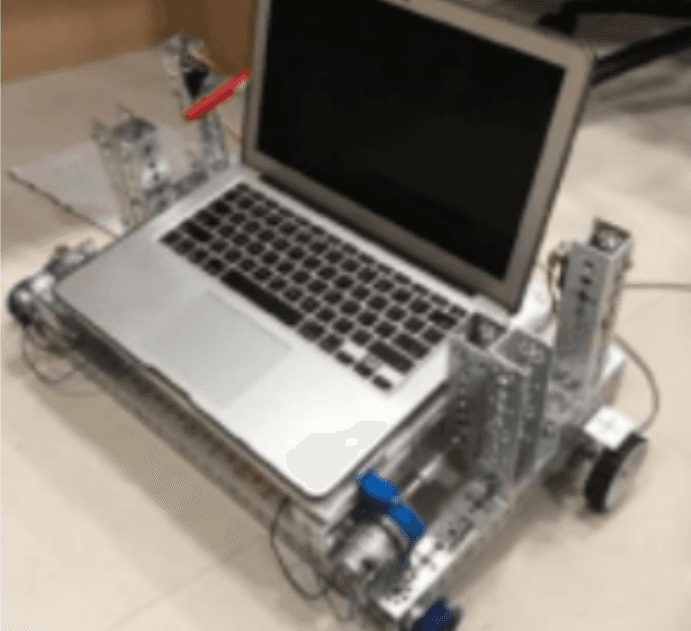
Smart Adaptive Machine Learning Based Laptop Stand (Workbit)
White-collar workers and delivery drivers face different health risks due to their work environments. Office workers often experience issues like poor posture and muscle strain from prolonged sitting at computer terminals. To address this, we propose an intelligent stand called "WorkBit" designed to promote work health by monitoring daily habits and providing preventive measures. The stand, mounted on wheels, adjusts its position based on the user's distance from the laptop, promoting better posture and reducing strain on the eyes and neck.
Smart Adaptive Machine Learning Based Laptop Stand (Workbit)
White-collar workers and delivery drivers face different health risks due to their work environments. Office workers often experience issues like poor posture and muscle strain from prolonged sitting at computer terminals. To address this, we propose an intelligent stand called "WorkBit" designed to promote work health by monitoring daily habits and providing preventive measures. The stand, mounted on wheels, adjusts its position based on the user's distance from the laptop, promoting better posture and reducing strain on the eyes and neck.
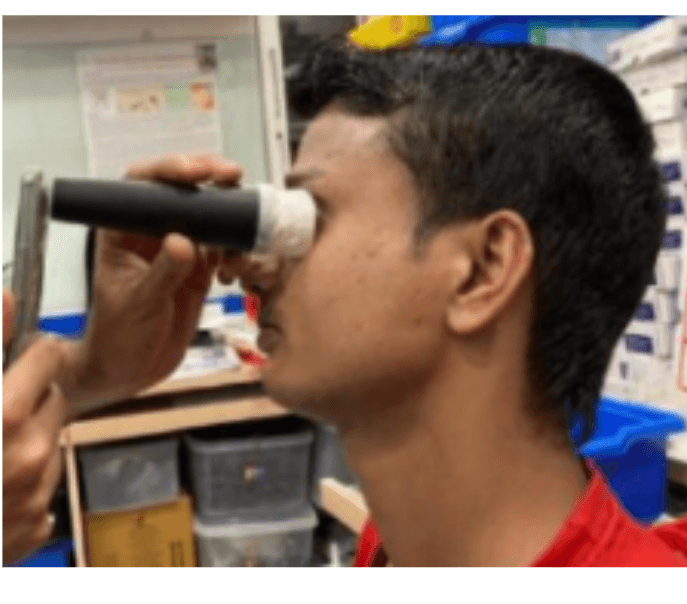
An Autonomous way to detect and quantify
Cataracts using Computer Vision
The project focuses on detecting cataracts using Python, aiming to address limitations in current detection methods. Cataracts, a leading cause of blindness in older individuals, pose challenges for diagnosis, especially in rural areas with limited access to ophthalmologists. To overcome these challenges, we developed a program using Python libraries such as OpenCV, NumPy, and FPDF. This program analyzes patient information and eye images to generate a PDF report indicating the presence and severity of cataracts. By creating color masks and incorporating range checks, our program accurately detects cataracts and provides essential information for quantifying the severity of the condition. This solution facilitates early detection and intervention by providing doctors with comprehensive reports for efficient diagnosis.
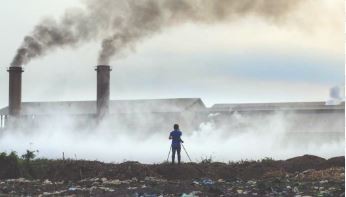
Rapid Approach to Quantify the Industrial Pollution in The Water Bodies Using Machine Learning and Satellite Imaging
Chemical industries often pollute nearby water bodies, affecting water quality and groundwater, which impacts agriculture. There is a need for rapid testing of water from such polluted sources near industries. Our solution tackles this by assessing water quality using satellite images. We collected images of Pune city via the Mapbox API and developed a machine learning model to detect water bodies and assess their quality using image processing. Clean and polluted water bodies are segregated. Polluted bodies are further tested using a sensing device that measures pH and TDS of water samples. The convolutional neural network model achieves over 95% accuracy in water body detection. This solution provides a reliable and rapid method for checking water quality and evaluating the impact of nearby industries on water bodies.
Rapid Approach to Quantify the Industrial Pollution in The Water Bodies Using Machine Learning and Satellite Imaging
Chemical industries often pollute nearby water bodies, affecting water quality and groundwater, which impacts agriculture. There is a need for rapid testing of water from such polluted sources near industries. Our solution tackles this by assessing water quality using satellite images. We collected images of Pune city via the Mapbox API and developed a machine learning model to detect water bodies and assess their quality using image processing. Clean and polluted water bodies are segregated. Polluted bodies are further tested using a sensing device that measures pH and TDS of water samples. The convolutional neural network model achieves over 95% accuracy in water body detection. This solution provides a reliable and rapid method for checking water quality and evaluating the impact of nearby industries on water bodies.
Smart Load Carriers Through IoT Integration: Revolutionizing Aid for the Downtrodden
Load carriers, often underappreciated in logistics, playa crucial role in efficient goods transportation. This project, “Smart Load Carrier,” revolutionizes load transportation by addressing health issues associated with manual handling. Combining a metal base, image processing, and an L298 motor driver, this autonomous carrier navigates efficiently, following human operators and detecting QR codes. Its impact extends to health, economics, and productivity by significantly reducing physical strain, minimizing accidents, and enhancing operational efficiency. The ongoing enhancements focus on increased load capacity and advanced autonomy, positioning the Smart Load Carrier as a transformative solution for diverse load transportation needs. This proposal introduces the implementation of the Smart Load Carrier, a groundbreaking solution aimed at simplifying the handling and transportation of heavy loads. By integrating computer vision and electronics, this project seeks to enhance the overall efficiency of load transportation.
Smart Load Carriers Through IoT Integration: Revolutionizing Aid for the Downtrodden
Load carriers, often underappreciated in logistics, playa crucial role in efficient goods transportation. This project, “Smart Load Carrier,” revolutionizes load transportation by addressing health issues associated with manual handling. Combining a metal base, image processing, and an L298 motor driver, this autonomous carrier navigates efficiently, following human operators and detecting QR codes. Its impact extends to health, economics, and productivity by significantly reducing physical strain, minimizing accidents, and enhancing operational efficiency. The ongoing enhancements focus on increased load capacity and advanced autonomy, positioning the Smart Load Carrier as a transformative solution for diverse load transportation needs. This proposal introduces the implementation of the Smart Load Carrier, a groundbreaking solution aimed at simplifying the handling and transportation of heavy loads. By integrating computer vision and electronics, this project seeks to enhance the overall efficiency of load transportation.
Application of Recurrent Neural Network Application in Identifying the Classical Indian Dance Steps from the Video Inputs
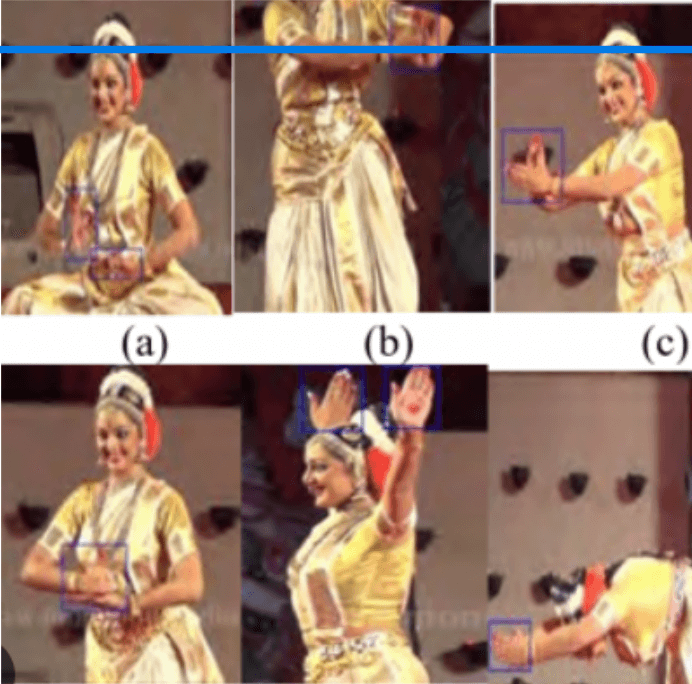
In Indian classical dance, posture is crucial because it enables the dancer to retain equilibrium and control while doing the complicated footwork and hand movements. In classical dance, strong posture enables the dancer to communicate the grace and elegance that are distinctive to this age-old classical dance style. The current work aims to create an intelligent system that can recognize various Indian classical dance positions. Bharatnatyam is taken into account for the study because of how difficult it is to perfect the various postures because of how intricate and similar the gestures are. To differentiate between the various moves, experienced supervision is required. Due to their close resemblance and the significant influence of the rhythmic time cycle on the three, three dance postures—Urdhva Hasta Chakra, Urdhva Kona Suchita, and Ardhaalingan—have been discovered.
Application of Recurrent Neural Network Application in Identifying the Classical Indian Dance Steps from the Video Inputs
In Indian classical dance, posture is crucial because it enables the dancer to retain equilibrium and control while doing the complicated footwork and hand movements. In classical dance, strong posture enables the dancer to communicate the grace and elegance that are distinctive to this age-old classical dance style. The current work aims to create an intelligent system that can recognize various Indian classical dance positions. Bharatnatyam is taken into account for the study because of how difficult it is to perfect the various postures because of how intricate and similar the gestures are. To differentiate between the various moves, experienced supervision is required. Due to their close resemblance and the significant influence of the rhythmic time cycle on the three, three dance postures—Urdhva Hasta Chakra, Urdhva Kona Suchita, and Ardhaalingan—have been discovered.
Smart Robotic Pythomedic and Pesticide Sprayer using Image Processing and machine learning
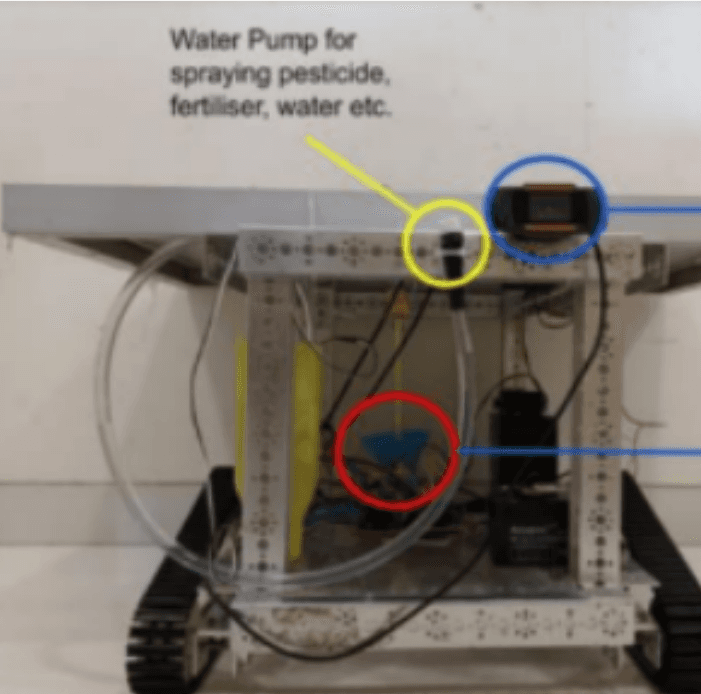
Plant diseases pose a significant global and Indian agricultural challenge, resulting in crop yield reduction and financial losses for farmers. While existing solutions like smart disease detection using machine learning offer promise, they often present cost or implementation barriers. Our solution introduces a user-friendly Smart Spraying robot equipped with a front camera and machine learning algorithm to identify and address plant diseases efficiently. Tested with over 3000 images across three vegetable plants, the model demonstrates 100% accuracy in detecting specific leaf diseases. However, its applicability is currently limited to these plants. Future iterations can expand its scope to encompass a broader range of crops.
Smart Robotic Pythomedic and Pesticide Sprayer using Image Processing and machine learning
Plant diseases pose a significant global and Indian agricultural challenge, resulting in crop yield reduction and financial losses for farmers. While existing solutions like smart disease detection using machine learning offer promise, they often present cost or implementation barriers. Our solution introduces a user-friendly Smart Spraying robot equipped with a front camera and machine learning algorithm to identify and address plant diseases efficiently. Tested with over 3000 images across three vegetable plants, the model demonstrates 100% accuracy in detecting specific leaf diseases. However, its applicability is currently limited to these plants. Future iterations can expand its scope to encompass a broader range of crops.
A Review on RoboticsA Review on Robotics Used in Biomedical Surgery
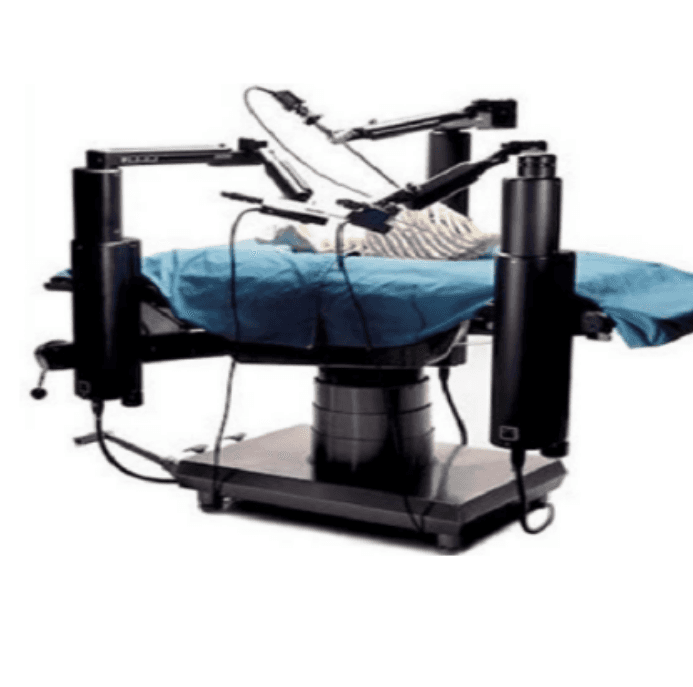
In terms of advancing surgical techniques, robotic surgery, which has been around for more than 20 years is a revolutionary development. The last ten years have seen a rise in the usage of robotics in medical treatments. In an effort to develop smaller, more effective, and less expensive equipment, researchers are ready to achieve record heights as robotic surgery becomes more and more common. Robotic surgery has been successfully used in many hospitals throughout the world and is gaining recognition on a global scale. In this article, we examine robotic surgery's development and progression, current robotic systems, limitations as well as current statistics, and current roles of robotics in surgery, and finally, we discuss the possible roles of robotic surgery in the future.
A Review on RoboticsA Review on Robotics Used in Biomedical Surgery
In terms of advancing surgical techniques, robotic surgery, which has been around for more than 20 years is a revolutionary development. The last ten years have seen a rise in the usage of robotics in medical treatments. In an effort to develop smaller, more effective, and less expensive equipment, researchers are ready to achieve record heights as robotic surgery becomes more and more common. Robotic surgery has been successfully used in many hospitals throughout the world and is gaining recognition on a global scale. In this article, we examine robotic surgery's development and progression, current robotic systems, limitations as well as current statistics, and current roles of robotics in surgery, and finally, we discuss the possible roles of robotic surgery in the future.
WalkFit
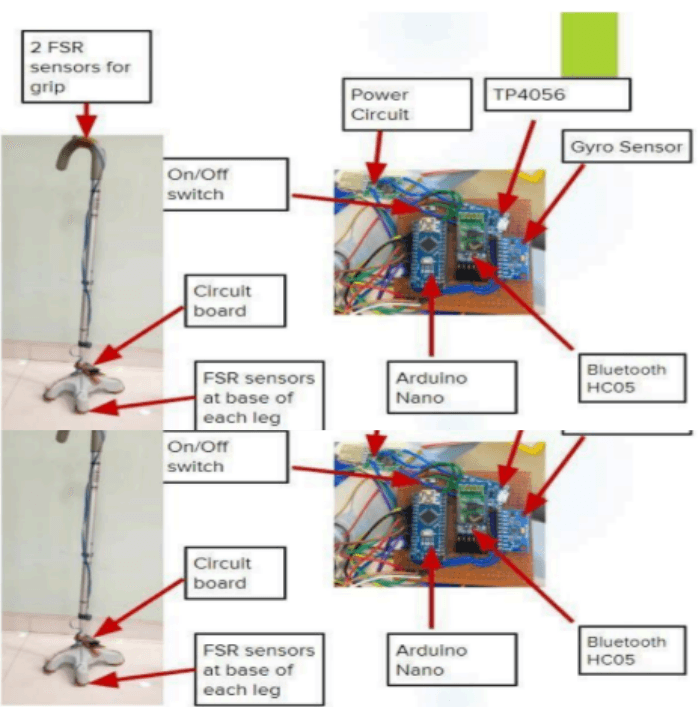
This project presents a smart walking stick designed to improve safety for the elderly by predicting fall risks. The lightweight, user-friendly prototype integrates sensors to monitor tilt angles and pressure distribution in real-time. By collaborating with physiotherapists and leveraging machine learning algorithms, the system analyzes the collected data to anticipate potential falls. This innovative solution provides valuable insights for families and healthcare professionals, demonstrating applications in physiology, neurology, and orthopedics. With its comprehensive approach and adaptability, the smart walking stick offers a promising avenue to enhance the well-being and overall safety of the aging population.
WalkFit
This project presents a smart walking stick designed to improve safety for the elderly by predicting fall risks. The lightweight, user-friendly prototype integrates sensors to monitor tilt angles and pressure distribution in real-time. By collaborating with physiotherapists and leveraging machine learning algorithms, the system analyzes the collected data to anticipate potential falls. This innovative solution provides valuable insights for families and healthcare professionals, demonstrating applications in physiology, neurology, and orthopedics. With its comprehensive approach and adaptability, the smart walking stick offers a promising avenue to enhance the well-being and overall safety of the aging population.
A Novel Approach Towards Calculating The Reusability Coefficient Of Water From Nearby Water Bodies Using Artificial Intelligence
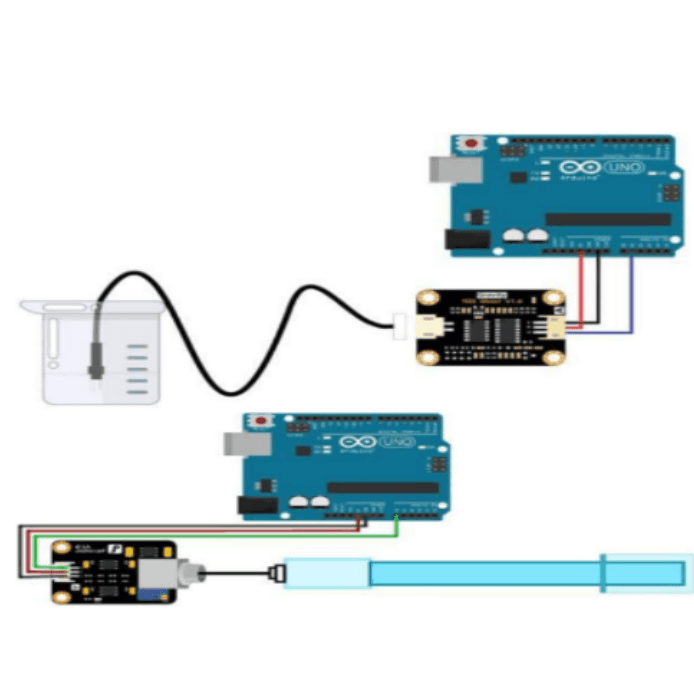
Most water bodies are polluted, but there is limited data on the level of pollution. This project proposes a solution to assess water quality by collecting samples from various sources like sewage, rivers, and farms. The solution has three parts: 1) detecting turbidity using image processing, 2) measuring TDS and pH using an Arduino-based prototype, and 3) determining a quality coefficient through machine learning. All components are integrated into a 3D-printed device. The model achieves an accuracy of 89% in estimating water quality, while the circuit accurately measures TDS and pH. This real-time solution enables the detection of water body quality and potential usage after appropriate treatment.
A Novel Approach Towards Calculating The Reusability Coefficient Of Water From Nearby Water Bodies Using Artificial Intelligence
Most water bodies are polluted, but there is limited data on the level of pollution. This project proposes a solution to assess water quality by collecting samples from various sources like sewage, rivers, and farms. The solution has three parts: 1) detecting turbidity using image processing, 2) measuring TDS and pH using an Arduino-based prototype, and 3) determining a quality coefficient through machine learning. All components are integrated into a 3D-printed device. The model achieves an accuracy of 89% in estimating water quality, while the circuit accurately measures TDS and pH. This real-time solution enables the detection of water body quality and potential usage after appropriate treatment.
Find your nearest innovation lab
These awards reflect projects that pushed my boundaries, told deeper stories, and caught the attention of people who care about what visuals can say.
Find your nearest innovation lab
These awards reflect projects that pushed my boundaries, told deeper stories, and caught the attention of people who care about what visuals can say.